
 Renewable-Energy
Sustainability
Innovation
Community
Empowerment
Engineering
Collaboration
Development
Hope
Volunteerism
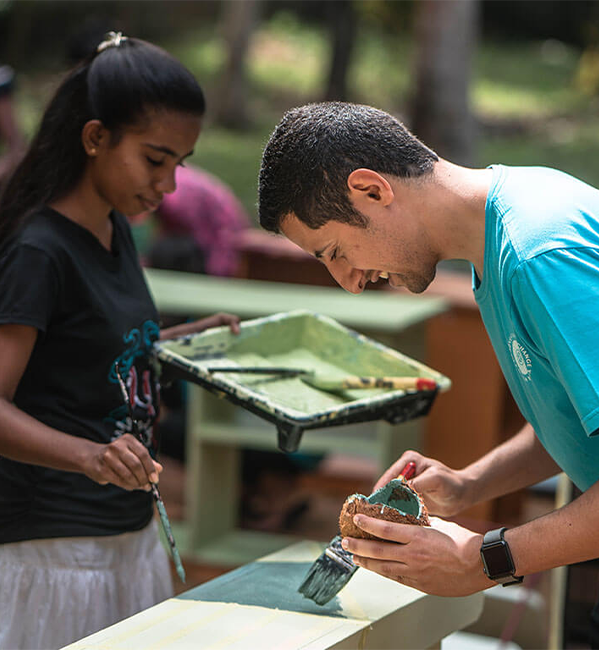

Sri Lanka has improved access to safe drinking water from 76% in 2006 to 93.2% in 2020, and safe sanitation from 91.2% in 2016 to 92.1% in 2019. However, regional disparities remain, especially in the estate sector. The country aims to achieve 100% safe water access by 2025, end open defecation by 2025, and ensure universal safe sanitation by 2030. Budget Brief: Water Sanitation and Hygiene (Wash) Sector Sri Lanka 2021

The Household Income and Expenditure Survey 2016 revealed that access to safe drinking water was 98.2% in the Western Province while it was just 71.2% and 77.7% in the North-Central and Central Province respectively Budget Brief: Water Sanitation and Hygiene (Wash) Sector Sri Lanka 2021


 They need our help
Why Do We need to Help?
Enhancing Community Well-being:
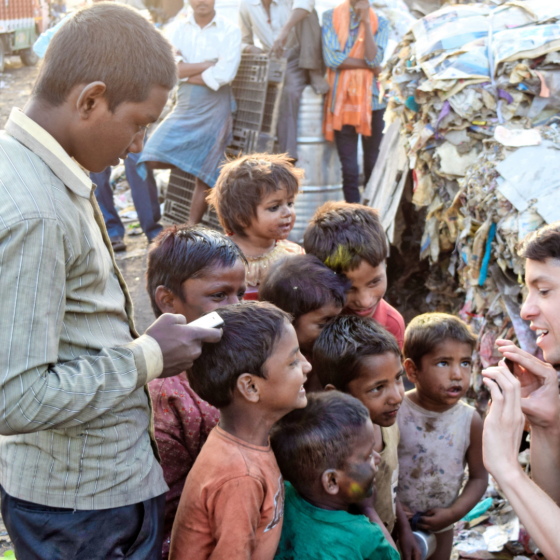
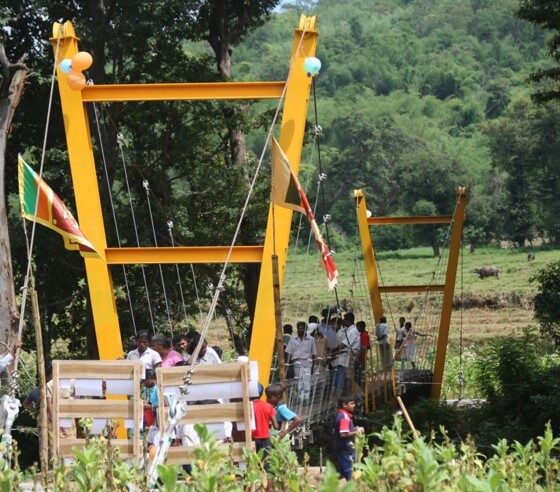
Building Resilient Infrastructure:
Improving Education and Awareness:
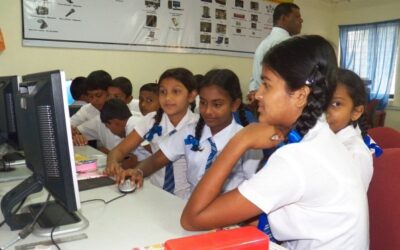
Humanitarian Responsibility:
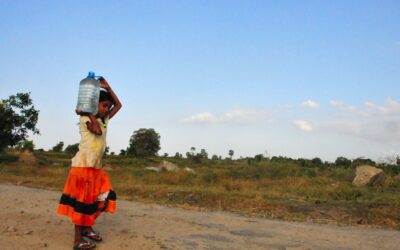
Empowering Local Communities:

Sustainable Development:
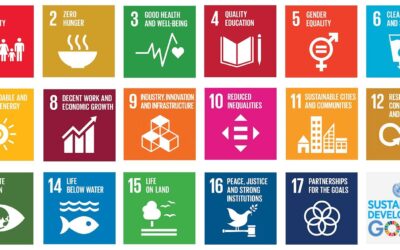
Addressing Economic Disparities:
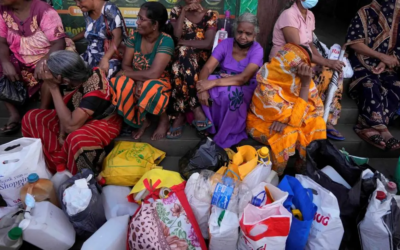

Volunteers

Projects

Engineers Involved

Communities Reached
 OUR PROJECTS
Completed Projects
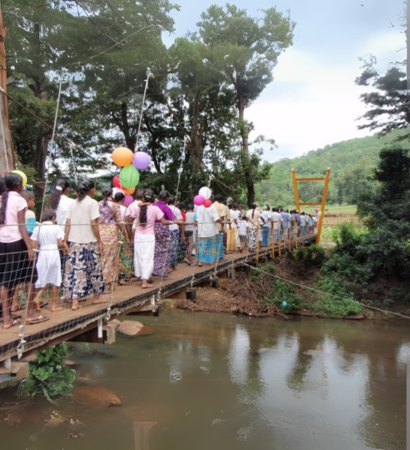

Community Project
Pitigoda Bridge Project

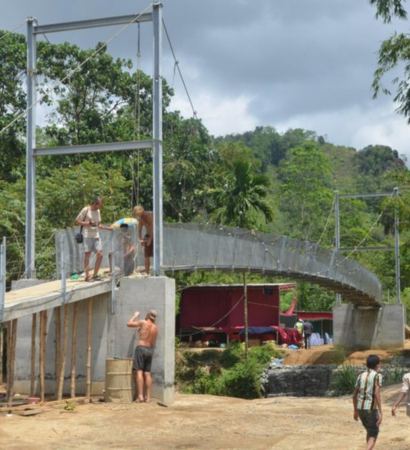
Community Project
Karawwa Bridge Project
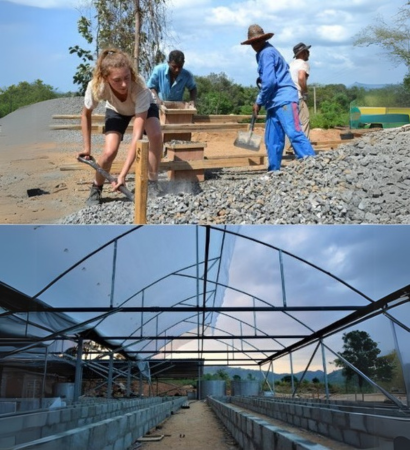
Community Project
The Lankaponics Project
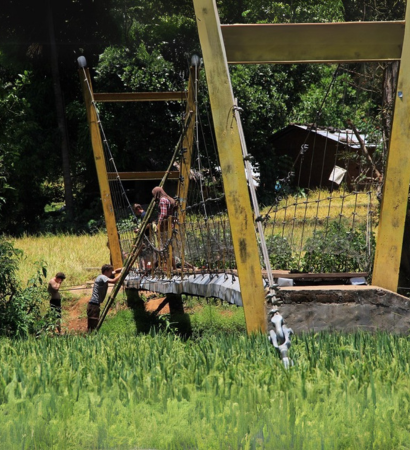
Community Project
Pitigoda Bridge Renovation
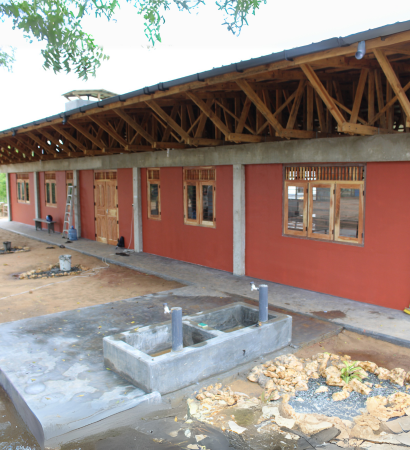
Community Project
Eluthumadduval Bakery
WORKING PROCESS
Empowering Communities
Disadvantaged Community
EWB-SL teams build trust with the local disabled community through interviews, observations, and surveys to understand their challenges. They collaborate with caregivers, local leaders, NGOs, and medical professionals to gain a well-rounded view of the community’s needs.

Providing Solutions
EWB-SL prioritizes issues like lack of mobility aids, inaccessible infrastructure, and limited job opportunities. They co-design practical, sustainable solutions—such as assistive devices and accessible facilities—with the community, ensuring they are affordable and user-friendly. Projects are implemented with help from volunteers, local craftsmen, and students.

Better Life
Through EWB-SL, communities gain practical, inclusive solutions that improve daily life for people with disabilities. By addressing barriers and empowering locals, the program fosters greater mobility, independence, and access to opportunities—leading to a more inclusive and better quality of life for all.
ENDORSEMENTS
What professionals think about our organization?




Appropriately administrate proactive value with to niche markets. Dramatically target market position idea after high quality best practice. Dramatically synergize open source service
Prof. Priyan Mendis
Professor,
University of Melbourne

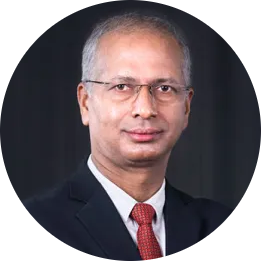
Appropriately administrate proactive value with to niche markets. Dramatically target market position idea after high quality best practice. Dramatically synergize open source service
Mr Kapil Dev Regmi
President,
EWB Nepal

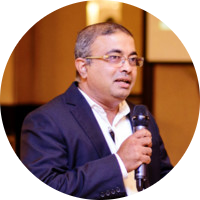
Appropriately administrate proactive value with to niche markets. Dramatically target market position idea after high quality best practice. Dramatically synergize open source service
Eng. Shiromal Fernando
Managing Director.
Civil and Structural Engineering
Consultants (Pvt) Ltd