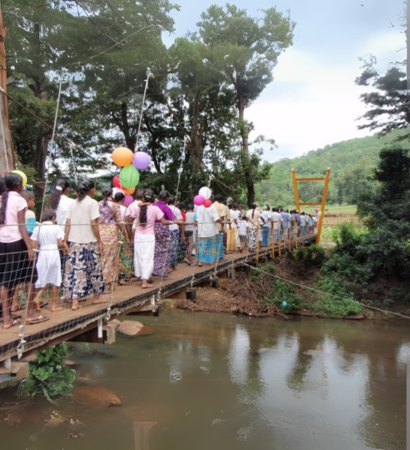
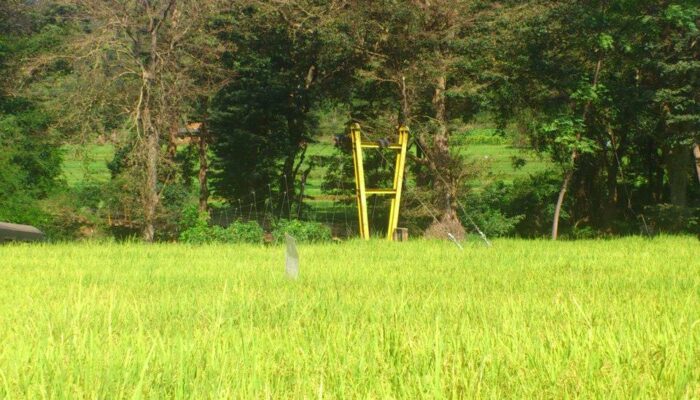
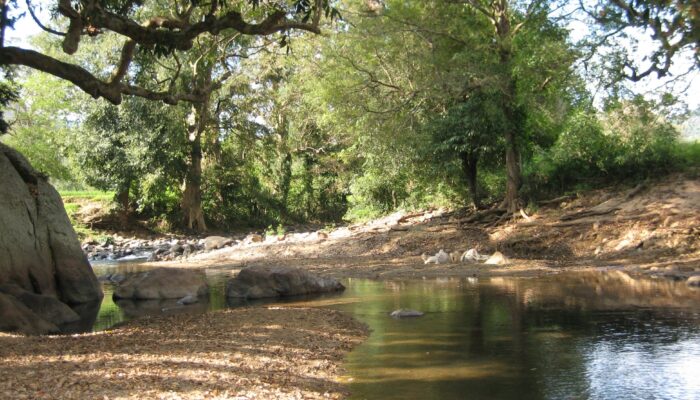
Prior to the construction of the bridge, Pitigoda was severely isolated. The village, home to nearly 350 residents in around 70 families, relied heavily on agriculture—mainly rice and tobacco cultivation—on lands situated on both sides of the river. However, during the rainy season, frequent flooding caused the river to rise by as much as 3 to 4 meters, making it extremely dangerous or even impossible to cross. This cut off access to schools, healthcare services, and nearby towns, and made it difficult for farmers to reach their fields or transport their produce to market. Children, the elderly, and people with disabilities were particularly at risk during flood periods.
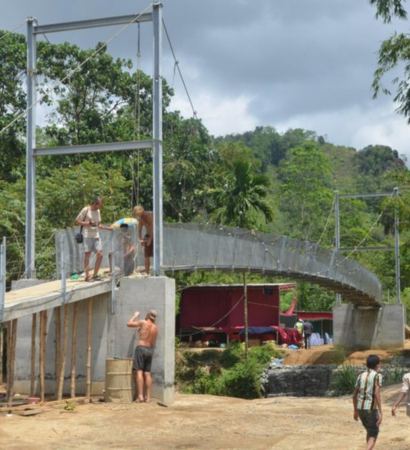
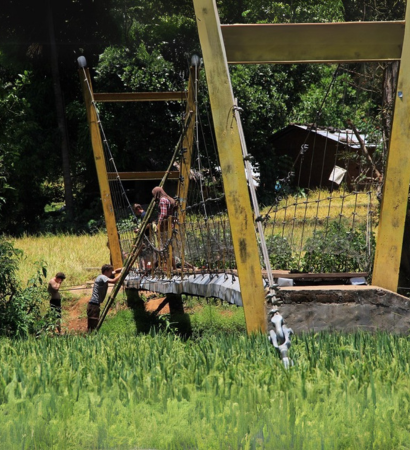
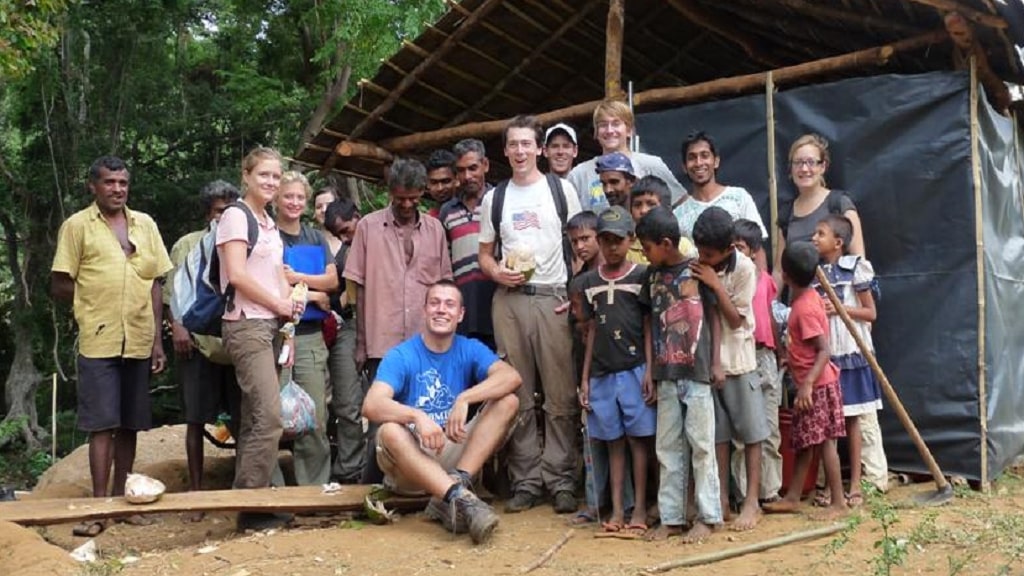
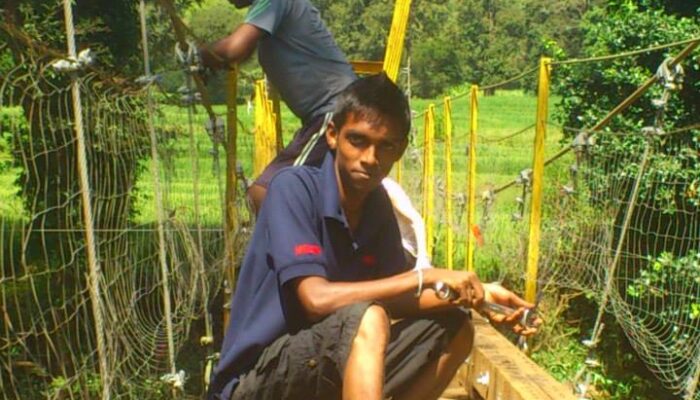
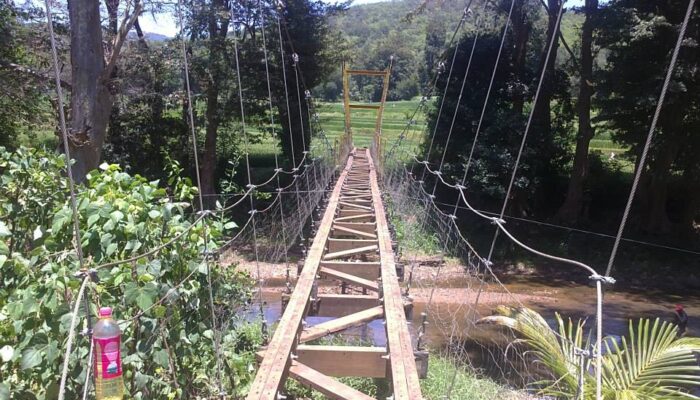
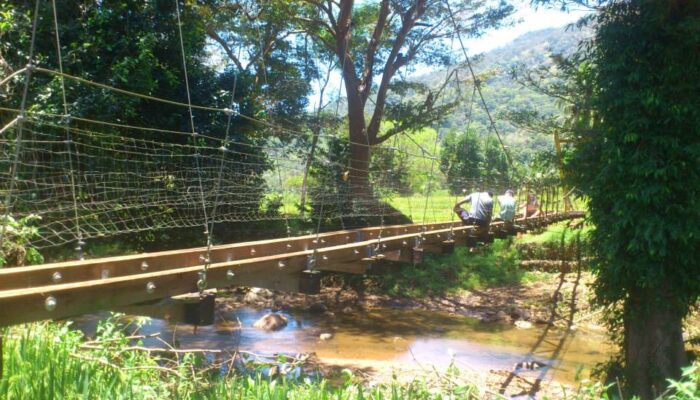
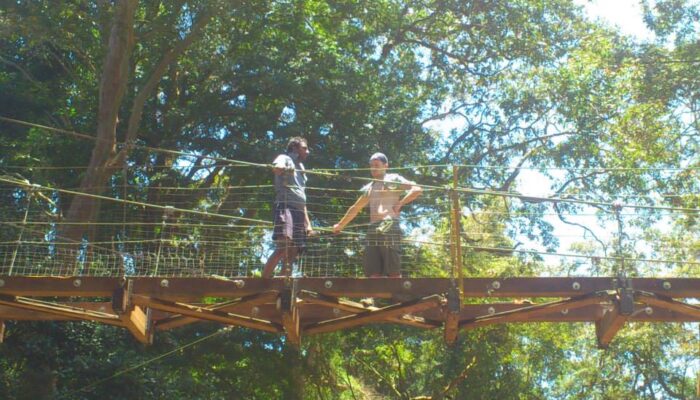
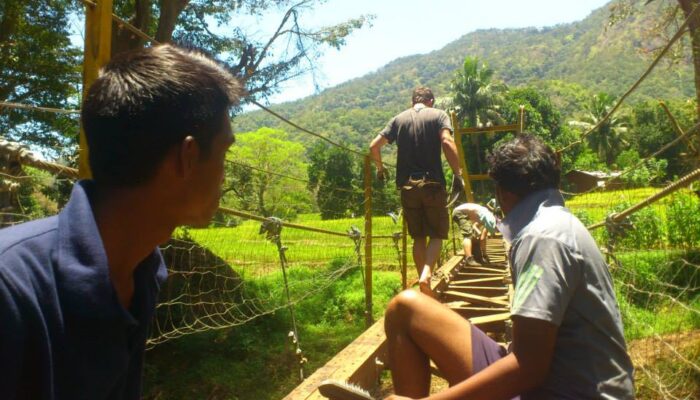
The suspension bridge was designed to provide a safe, reliable, and flood-resilient river crossing for the community. The entire project—from design to construction—was led by volunteer students from EWB KIT, with support and guidance from academic staff and final-year students of the Department of Civil Engineering at the University of Peradeniya. The bridge was fully funded through donations, with all contributors offering their time, resources, and skills voluntarily.
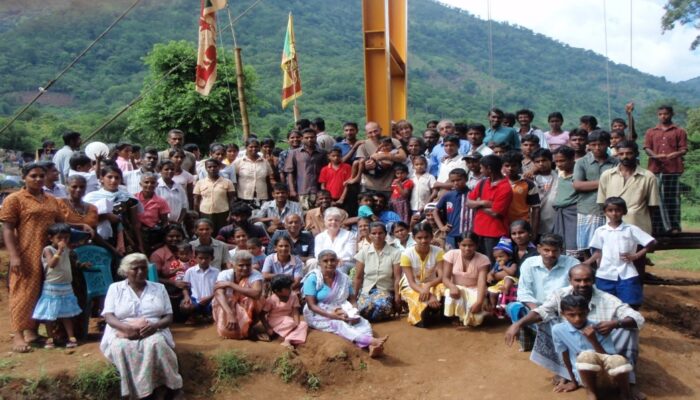
Beyond its practical function, the bridge became a symbol of hope and connection for the village. Its construction attracted the attention of local government authorities, who subsequently undertook the improvement of the rural road linking Pitigoda to Hunnasgiriya, greatly enhancing the village’s overall accessibility.
Together, the bridge and road development projects brought about significant improvements in education, healthcare access, economic mobility, and social well-being. The increased connectivity has encouraged teacher placements in local schools, improved healthcare delivery, and strengthened the community’s ability to participate in regional trade and development. It has also made the village a more attractive place for settlement and growth.
Today, the Pitigoda Bridge stands as a lasting achievement, maintained by EWB-SL members and cherished by the local community. The project not only transformed Pitigoda but also served as an inspiring reminder of what young engineers can achieve through collaboration, compassion, and commitment to sustainable development. It continues to motivate EWB teams both in Sri Lanka and around the world to harness their skills in service of humanity.









 OUR PROJECTS